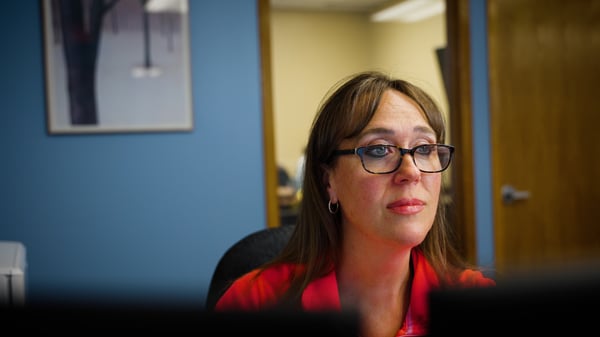
1.) Responsiveness
What Does This Mean?
Responsiveness means clients hear back from us within a half to one full business day, even when we're still gathering information or working toward a complete answer.
How Does This Show Up in Daily Operations?
Financial questions often carry deadlines, consequences, and stress. Waiting days for a response creates uncertainty that business owners don't need.
We acknowledge the request, provide an update, and keep communication moving. If a question requires research, collaboration, or additional review, we communicate that immediately rather than going silent.
What's an Example of Our Responsiveness?
A client emails on Wednesday afternoon asking whether a large equipment purchase should be financed or paid in cash before year-end. The answer requires reviewing financial statements and projected tax implications.
Instead of waiting until Friday to respond with a complete recommendation, the client receives a response the same day confirming the request and providing a timeline for a detailed answer. The client knows the question is being handled and knows when to expect next steps.
2.) Accuracy
What Does This Mean?
We would rather take an extra day to get a number right than rush something out and need to fix mistakes later. Accuracy means every payroll run, tax return, and financial report receives appropriate review before it reaches a client.
How Does This Show Up in Daily Operations?
Accounting and payroll mistakes create real consequences. Incorrect tax filings can generate penalties. Payroll errors affect employees. Inaccurate financial reports can lead business owners to make poor decisions.
To reduce risk, our work follows documented review procedures. Tax returns are reviewed before filing. Payroll is verified before processing. Financial reports are examined for consistency and reasonableness before delivery. Our goal is dependable information clients can trust.
What's an Example of Our Accuracy?
During tax return preparation, the preparer notices an unusually large deduction compared to prior years. Instead of filing immediately, the team investigates and discovers a coding error that would have overstated expenses.
The issue is corrected before filing, preventing future amendments and reducing the risk of questions from the IRS.
3.) Straight Talk
What Does This Mean?
If we see a problem, we say so. If a strategy creates unnecessary risk, we explain why. If a deduction isn't supported, we tell you. Our responsibility is to provide professional guidance, not to be "yes men".
How Does This Show Up in Daily Operations?
Many business owners hire advisors because they want expertise, not validation. We have honest conversations about cash flow issues, compliance concerns, bookkeeping problems, payroll risks, and tax decisions... even when those conversations are uncomfortable.
We believe transparency protects our clients. Avoiding difficult discussions may feel easier in the moment, but it often creates larger problems later.
What's an Example of Straight Talk?
A business owner asks whether a personal expense can be deducted through the company. Rather than searching for a way to justify it, we explain the applicable rules, discuss the potential risks, and recommend a compliant alternative if one exists.
The answer may not be what the client hoped to hear, but it helps protect the business from future tax issues.
4.) Long-Term Thinking
What Does This Mean?
Good accounting advice considers where a business is going, not just what happens this month or this tax year. Long-term thinking means evaluating decisions based on their future impact, not just their immediate benefit.
How Does This Show Up in Daily Operations?
Some strategies reduce taxes today while creating complications later. Others improve short-term cash flow while increasing risk in future years.
Our recommendations consider growth plans, ownership transitions, hiring goals, retirement planning, tax implications, and operational sustainability. We focus on helping clients make decisions that support long-term business health rather than chasing short-term wins.
What's an Example of Our Long-Term Thinking?
A business owner wants to minimize taxable income as aggressively as possible.
Instead of focusing only on this year's tax bill, we discuss how current decisions could affect long-term tax planning. The recommendation balances immediate savings with future flexibility.
5.) Earned Trust
What Does This Mean?
We don't just expect clients to trust us because we've been in business since 1966. We really earn trust by doing what we say we'll do, consistently and repeatedly.
How Does This Show Up in Daily Operations?
Trust is built through follow-through. It means meeting deadlines, returning calls, clearly explaining recommendations, protecting confidential information, and taking responsibility if issues arise.
We know that every client interaction either strengthens trust or weakens it.
What's an Example of Earned Trust?
A client receives a timeline for a payroll system transition. Each milestone is communicated in advance, progress updates are provided throughout the process, and questions are answered promptly.
The project succeeds because the client's trust in us was reinforced through consistent communication and execution.